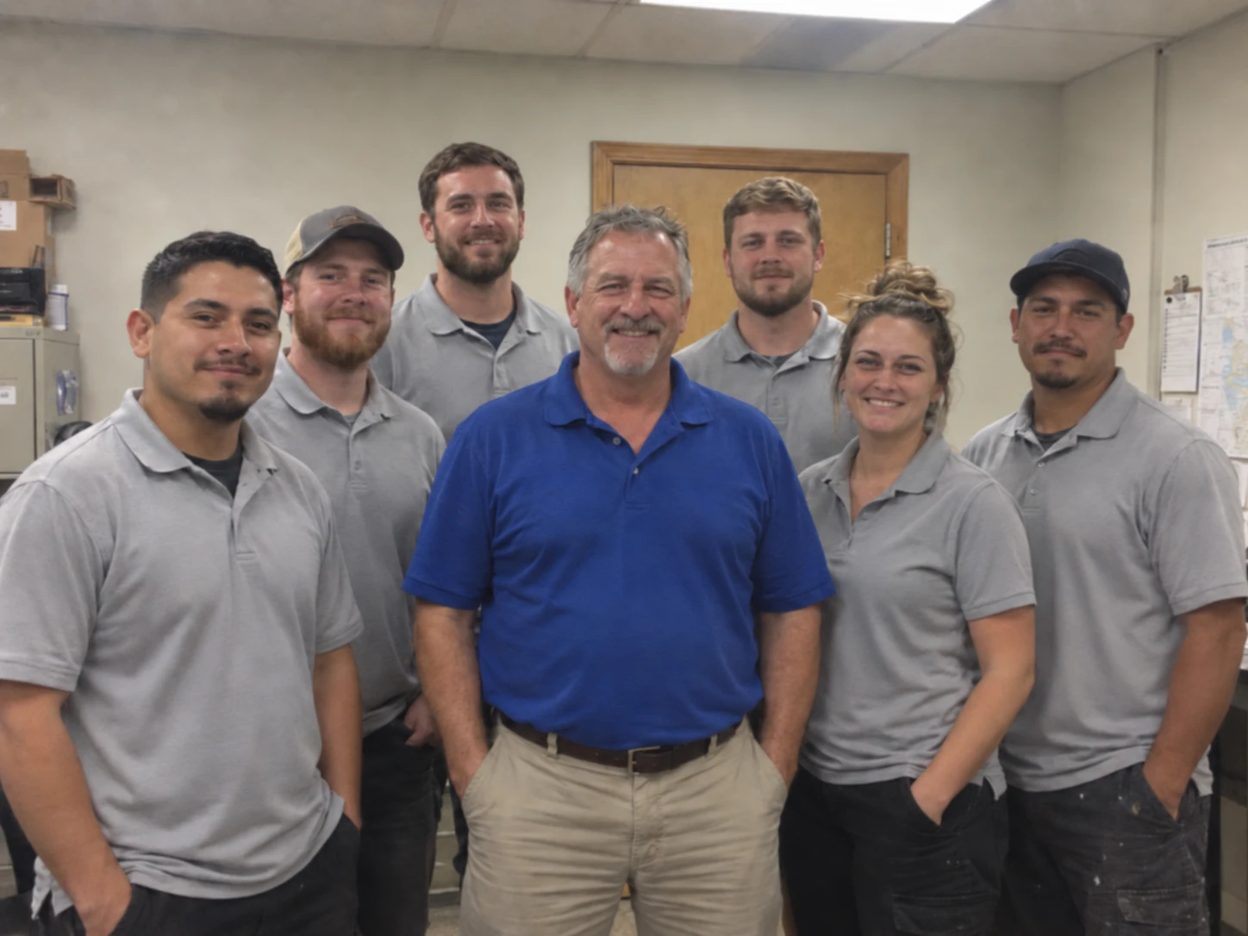
One symptom, many possible causes. That is the core challenge of HVAC repair, and it matters even more in Aloha, OR, where failures seem to wait for the most extreme weather of the year. Equipment that will not start at all might have a failed low-voltage transformer, a thermostat that has stopped calling, a control board that has lost its sequence, or a float switch shut off by a backed-up condensate drain. Equipment that runs but falls behind is a different list: a weak capacitor, a worn contactor, a low charge, a dirty flame sensor, or a clogged filter choking off the blower.
Aloha HVAC approaches every repair diagnosis-first. Our experienced technicians measure before they replace anything: capacitors are metered for microfarads instead of eyeballed, refrigerant circuits are checked with gauges and temperature clamps for superheat and subcooling, flame sensors are tested for microamp signal, and static pressure gets measured when airflow is the suspect. That discipline pays off because parts-swapping wastes your money. A hard-starting compressor, a failing capacitor, and a low-voltage short can all masquerade as the same complaint, and only one of them is actually broken. Once we pinpoint the fault, we explain what failed, why it failed, and exactly what the fix involves before any work begins.
We repair central air conditioners, heat pumps, gas and electric furnaces, air handlers, and ductless mini splits across all major brands, and our trucks arrive stocked with the parts that fail most often: capacitors, contactors, igniters, flame sensors, blower motors, and condensate pumps. That means most repairs are finished in a single visit. If your equipment is truly at the end of its life, we will tell you honestly and walk you through replacement options instead of selling a repair that will not last. For fast HVAC repair anywhere in Aloha, call (971) 535-9457 and a technician will be headed your way today.
Most of our service calls are for AC Repair in Aloha and Furnace Repair in Aloha. That's the place to start if you need a fix today.
When to Call for HVAC Repair in Aloha
The sooner you notice these red flags, the easier and cheaper the problem is to resolve. Here are the most common indicators that it's time to call a professional:
- Weak airflow from the supply registers throughout the house
- The system short-cycling on and off without reaching the set temperature
- Air at the registers that is the wrong temperature for the mode you selected
- A breaker that trips whenever the system tries to run
- Grinding, squealing, buzzing, or banging you have not heard before
- Water around the indoor unit from a clogged condensate drain
- The outdoor unit humming but refusing to actually start
- Higher energy bills with no improvement in comfort
Don't Wait for a Total Failure
Left unchecked, even a small fault or temperature swing often signals a system working its way toward a breakdown. At the first hint of a problem, reach out to Aloha HVAC at (971) 535-9457 for a fast inspection.
Ready to Solve Your HVAC Repair Problem?
Call our expert team for pricing today.
Call (971) 535-9457 NowHVAC Repair FAQ
Why Professional HVAC Repair Matters
Two things make HVAC repair a poor DIY project: the diagnosis is misleading, and the equipment is dangerous. On the diagnostic side, a weak capacitor, a low charge, a frozen evaporator coil, and choked airflow can all produce a system that runs without cooling, so trial-and-error part swaps get costly in a hurry. On the safety side, you are dealing with 240-volt circuits, capacitors that stay charged after the breaker is off, federally regulated refrigerant that requires recovery equipment, and, on gas furnaces, fuel lines, combustion, and venting where a single mistake can put gas or carbon monoxide into the home.
A trained technician with the right instruments gets to the answer faster and more safely than trial and error ever will. Ours check capacitors and motors with a meter, look at superheat and subcooling before anyone opens a refrigerant line, confirm flame signal before a control board is blamed, and measure static pressure when the ductwork might be the real bottleneck. You also get an honest opinion on the equipment. If your system is near the end of its service life, we will say so and help you decide between repair and replacement before money changes hands.
Our HVAC Repair Process
We work through a clear, repeatable process so nothing gets overlooked on your property. Here's exactly how the HVAC repair process unfolds:
Diagnostic Inspection
Before anything is replaced, we measure. Capacitors, contactors, motors, safety sensors, refrigerant charge, and airflow are all tested so we fix the real problem, not a guess.
Explanation & Firm Quote
No surprises on the invoice. We walk you through the fault, the cause, and the fix, and put a firm price in front of you first. On worn-out equipment, we give you an honest repair-versus-replace answer.
Same-Visit Repair
Our stocked trucks carry the most common failure parts, so capacitors, contactors, igniters, flame sensors, and motors are usually replaced on the spot and your system runs again the same visit.
Full System Test
A repair is not finished until it is proven. We watch a complete heating or cooling cycle, measure temperature split and airflow, compare amp draws to the data plate, and confirm every safety control works.
Not Sure What You Need?
Call Aloha HVAC to discuss your HVAC repair needs with an experienced technician.
Call (971) 535-9457 NowHow to Prevent HVAC Repair Problems
A little routine maintenance goes a long way toward avoiding a mid-season breakdown. Start with these practical measures our team relies on:
- Clear the condensate drain every spring so algae never backs it up and shuts the system down
- Give the condenser room to breathe by keeping plants, leaves, and clippings away from it
- Swap in a fresh filter every one to three months; a clogged one starves the whole system of air
- Take new noises seriously; a squealing motor bearing is far cheaper before it seizes
- Book a professional tune-up in spring for cooling and in fall for heating
- During heat waves and cold snaps, set the thermostat a few degrees closer to the outdoor temperature to ease the load
- Keep supply and return registers open and unblocked in every room
Comparing DIY and Professional HVAC Repair
While some minor tasks like changing filters or checking a thermostat can be handled by homeowners, most HVAC work involves refrigerant, gas combustion, and high-voltage electricity, jobs that call for professional expertise. Here's a comparison:
| Factor | DIY Attempt | Professional Service |
|---|---|---|
| Diagnosis | Trial-and-error part swapping | Meters and gauges pinpoint the actual fault |
| Electrical Safety | Charged capacitors and live 240V terminals | Capacitors discharged, circuits tested dead first |
| Refrigerant Charge | No way to measure or recover refrigerant | Charge checked with superheat and subcooling readings |
| Gas Safety | Leaks and flue problems go unchecked | Combustion, draft, and gas pressure verified |
| Hidden Issues | Only the obvious symptom gets attention | Whole system inspected during the repair |
| Result | Temporary fix, same root cause | Root cause fixed and verified |
Talk to a HVAC Repair Expert
Don't let a failing system get worse. Call Aloha HVAC now for prompt, professional service.
Get Help: (971) 535-9457HVAC Repair Across the Aloha Area
Wherever you are in the area, the same experienced team handles your HVAC repair. Find your community below.